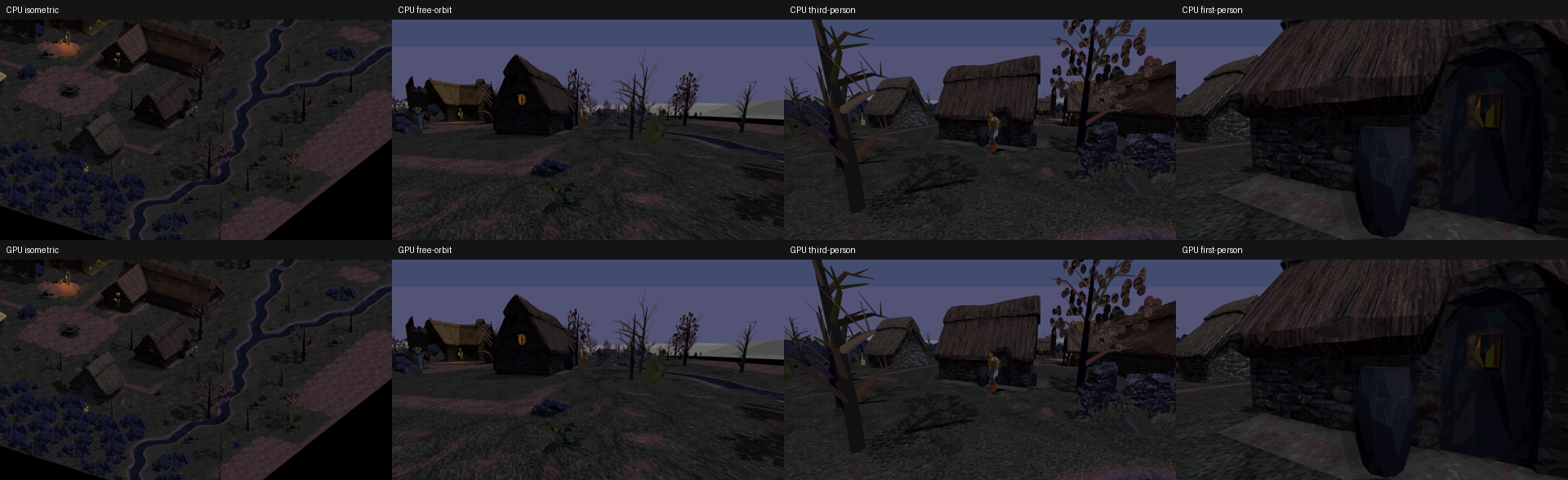
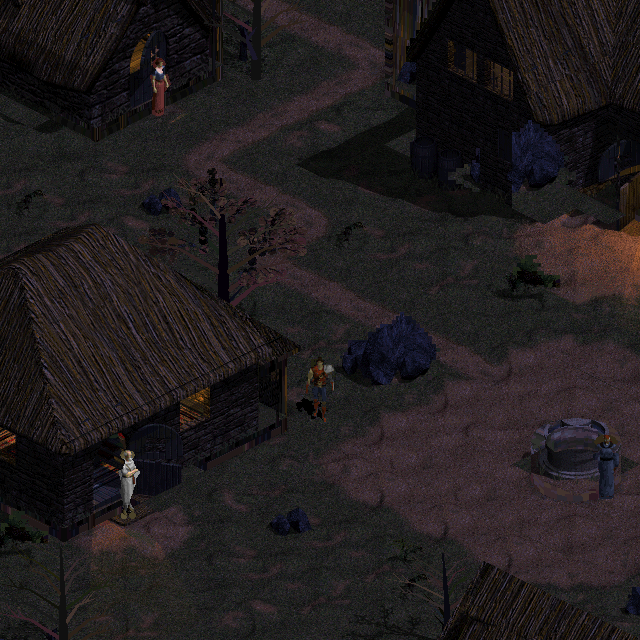
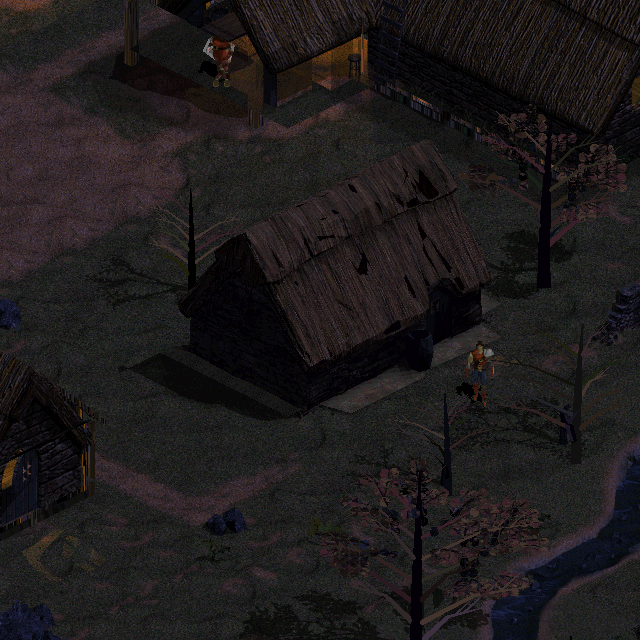
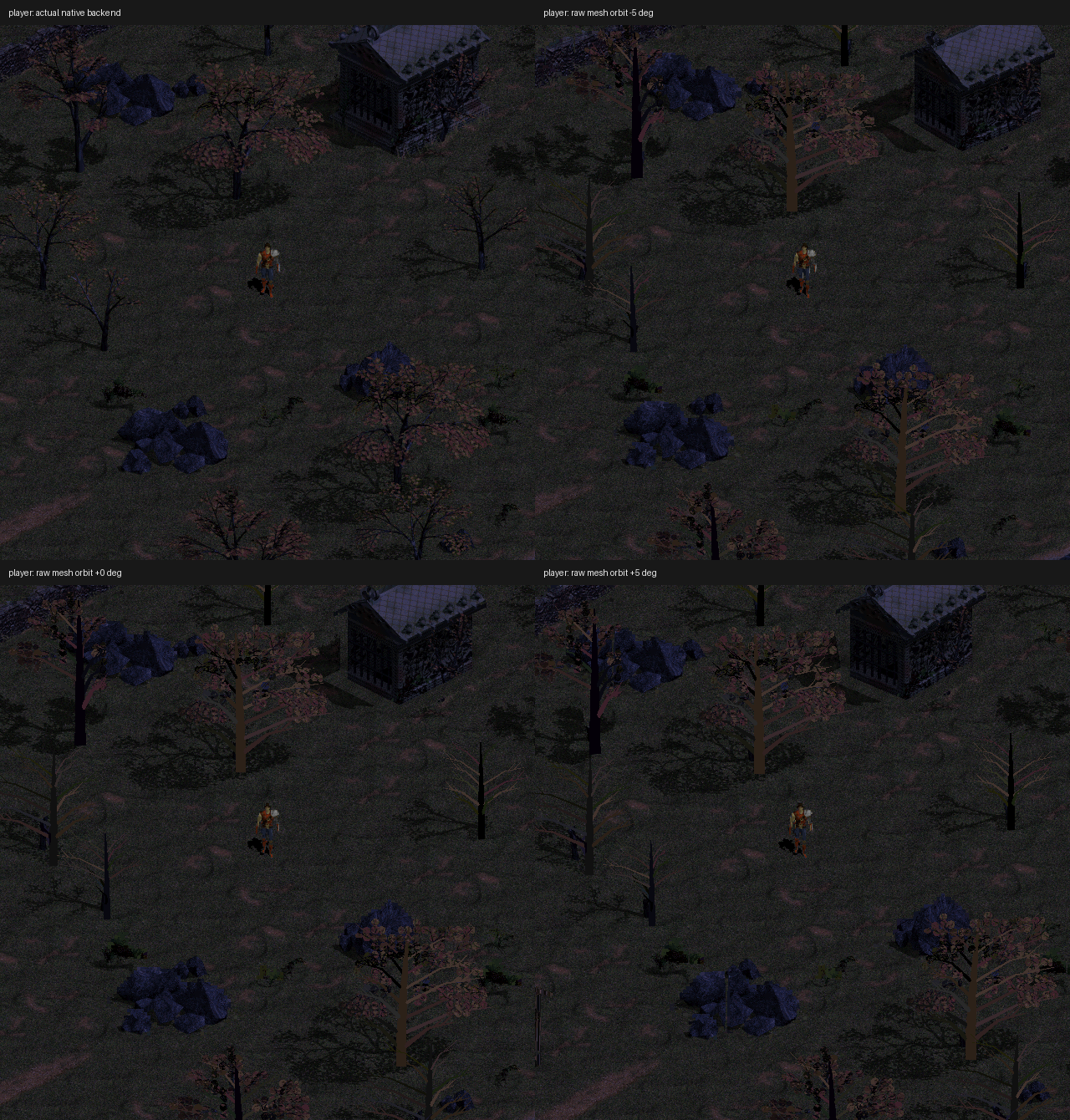
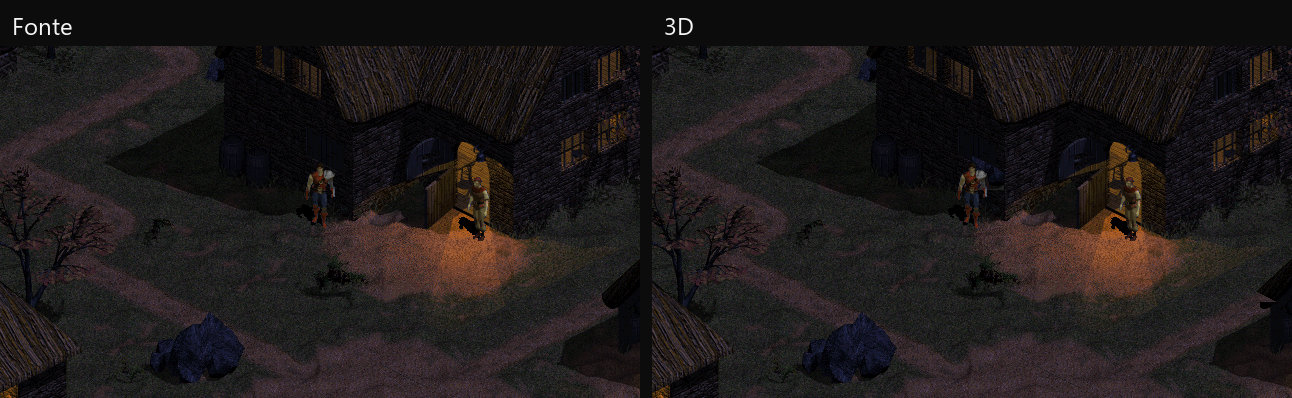
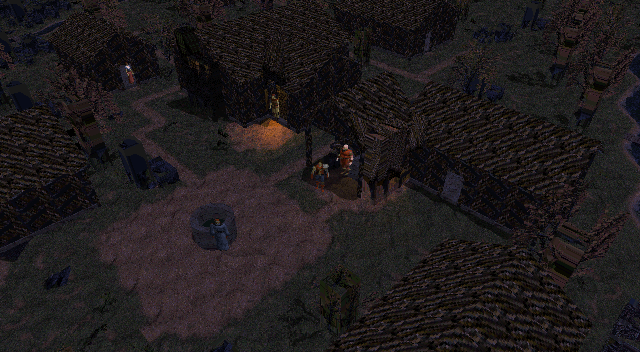
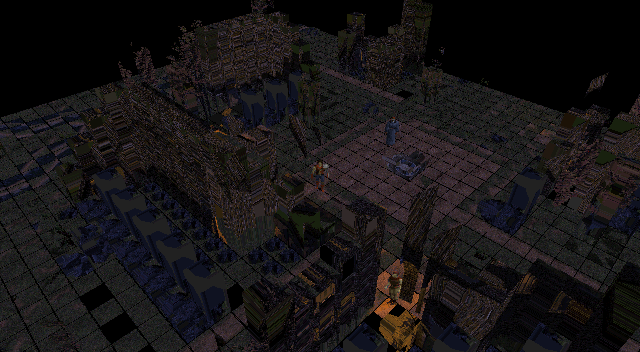
Two gameplay cameras and Cathedral continuity
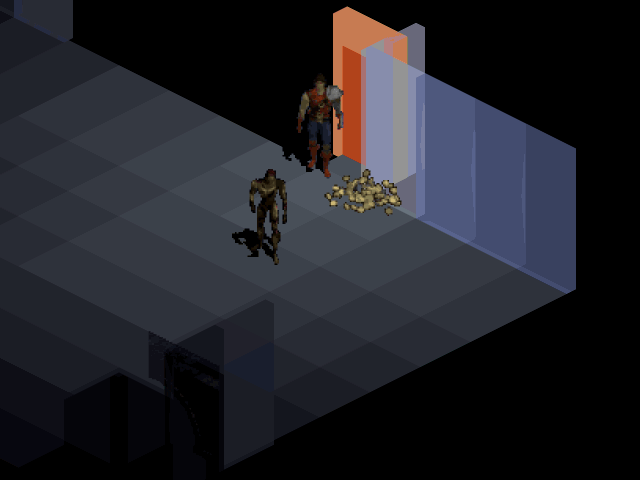
October 10 local update: opaque Cathedral walls, preserved door and grate openings, and native item names in 3D. Gameplay and artwork remain under review.
5 min read
DEVLOG
From the first prototype to the goal of rebuilding all of Diablo 1 in 3D. What changed, how it was tested and what still needs review, with screenshots, technical comparisons and versioned sources.
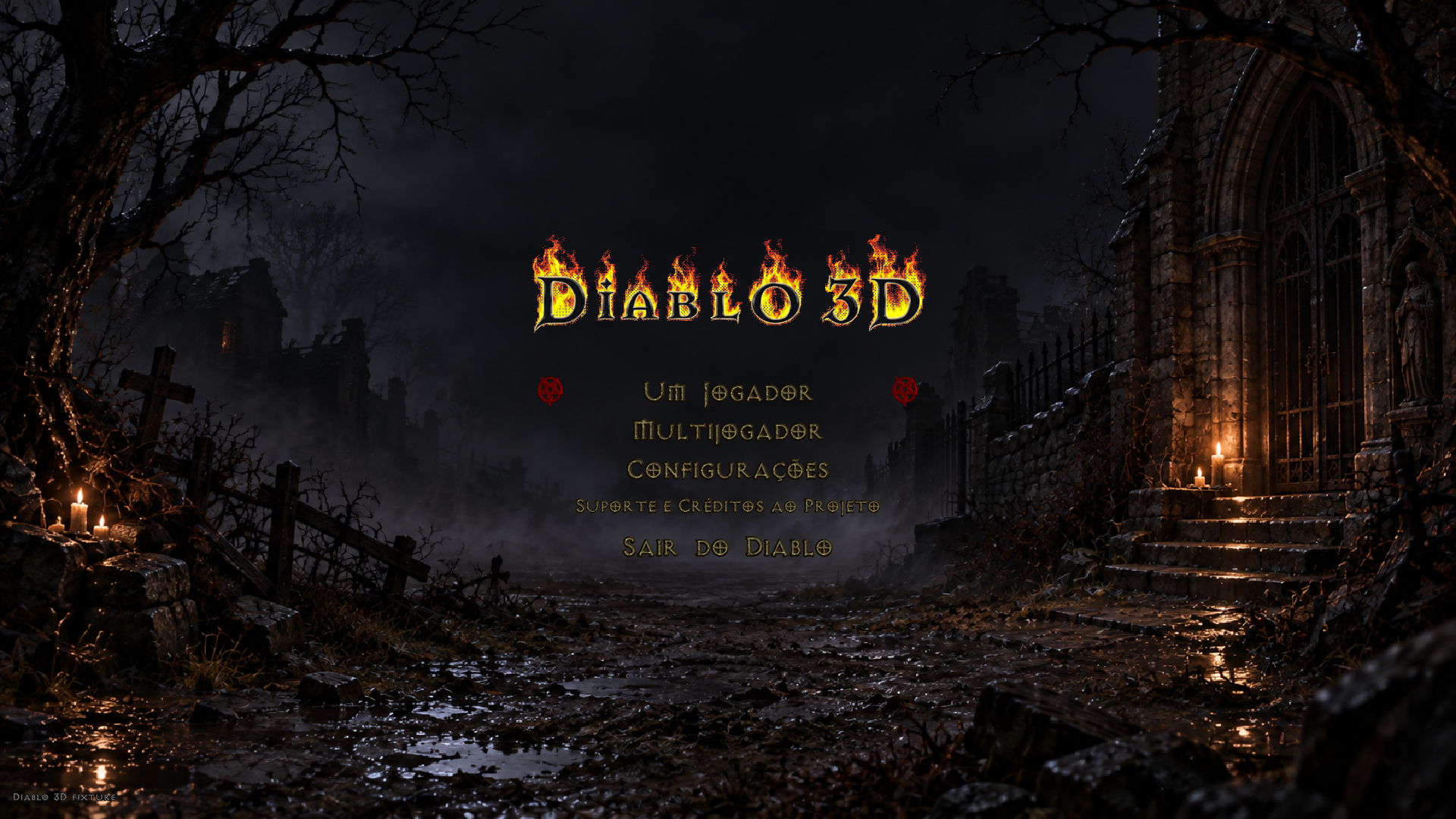
AI-generated atmospheric illustration
The nine-region technical pilot on the standard first floor now uses CEL/MIN floors, oriented masonry and wood from CLX. The GPU copies a smaller area for each transparent triangle. Repetition, donor materials and cap surfaces remain approximations; actors remain sprites and the other floors and quest levels retain the native presentation. Final shapes, doors during play, gameplay with physical input and sustained FPS remain pending.
The entries from October 7, 2026 form the initial retrospective. v1–v4 represent earlier local stages; new entries follow subsequent deliveries.
October 10 local update: opaque Cathedral walls, preserved door and grate openings, and native item names in 3D. Gameplay and artwork remain under review.
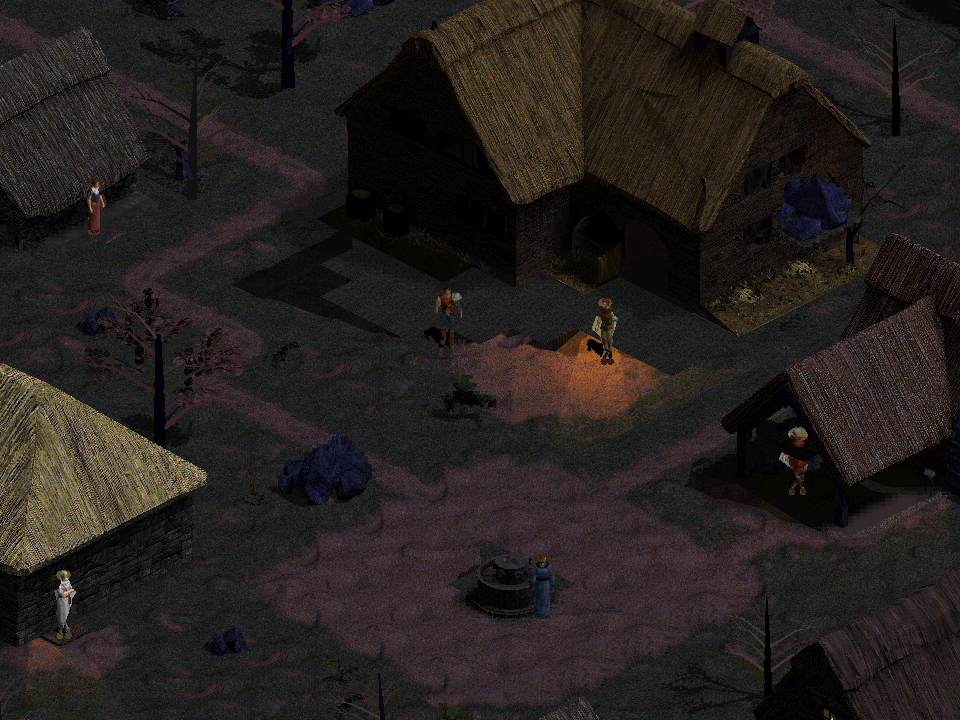
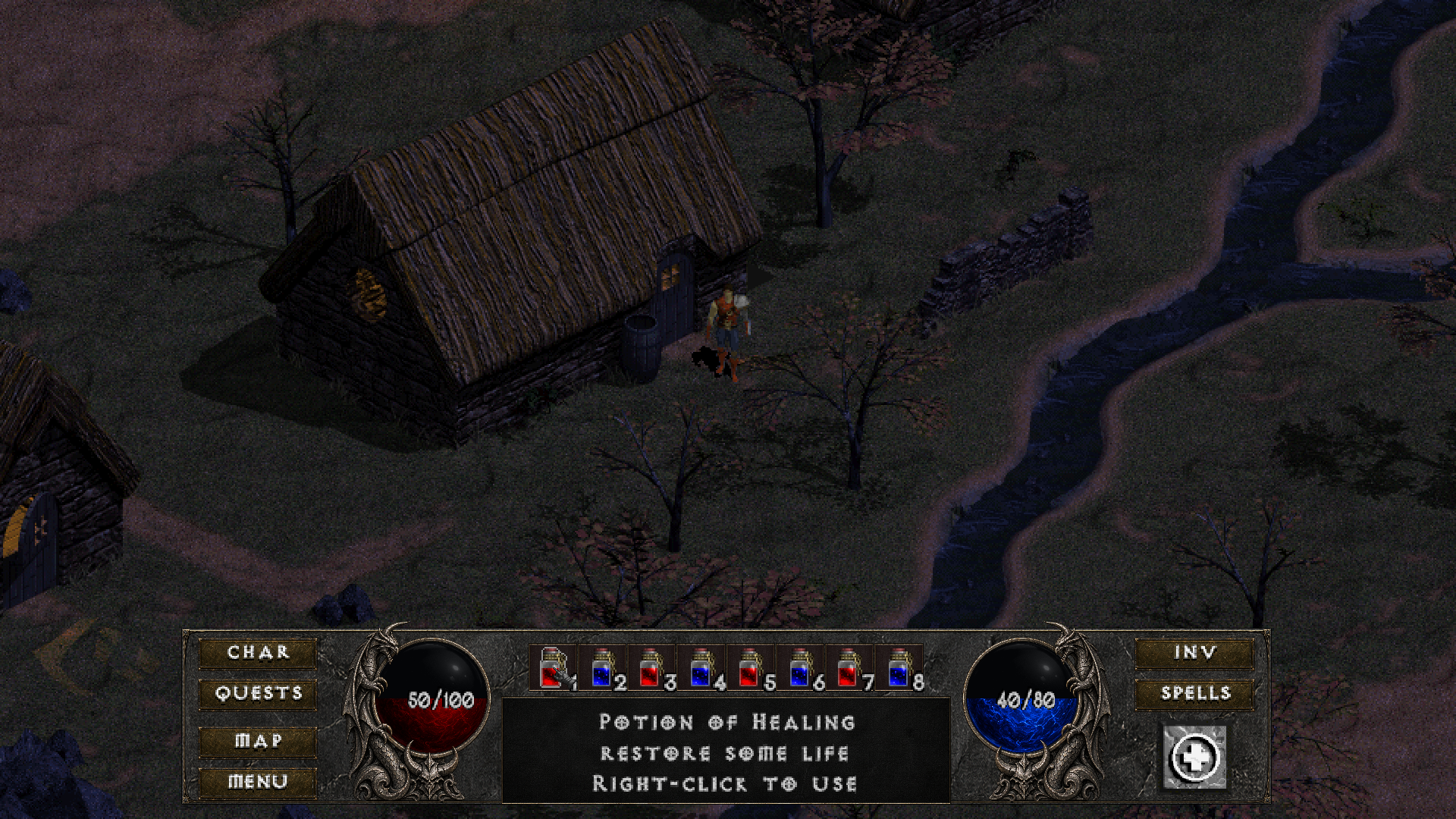
5 min readGameplay recorded by Douglas and historical previews show controls, the HUD, Tristram, Ogden and the Cathedral. Horizontal video and Short with English subtitles and development limitations.
2 min readThe first-floor pilot receives floors, masonry and wood from the original, with explicit visual approximations. Regional copying reduces the measured transparency cost; shapes, doors and gameplay still need review.
7 min readThe installed technical pilot draws nine nearby regions on the Cathedral's standard first floor. Simple geometry, GPU recovery and preserved native data; artwork and review in a play session remain pending.
4 min readThe installed fix removes an old facade and a stone that overlapped the imported tavern, preserving the model and navigation. See the technical CPU comparison before and after.
4 min readAn installed technical fix addresses the Gameplay page overlapping the HD HUD orbs; confirmation in the usual play session remains pending.
4 min readFirst and third person now share eight movement bindings editable in the main menu, with saved preferences. See the controls, tests and interactive review still pending.
10 min readFixed the limit that caused CPU fallback when more objects became visible; capacity recovery now responds to load changes while retaining its safeguards.
4 min readThe menu brings Diablo 3D support and credits together, while props and trees reuse geometry on the GPU, preserving models, textures and gameplay.
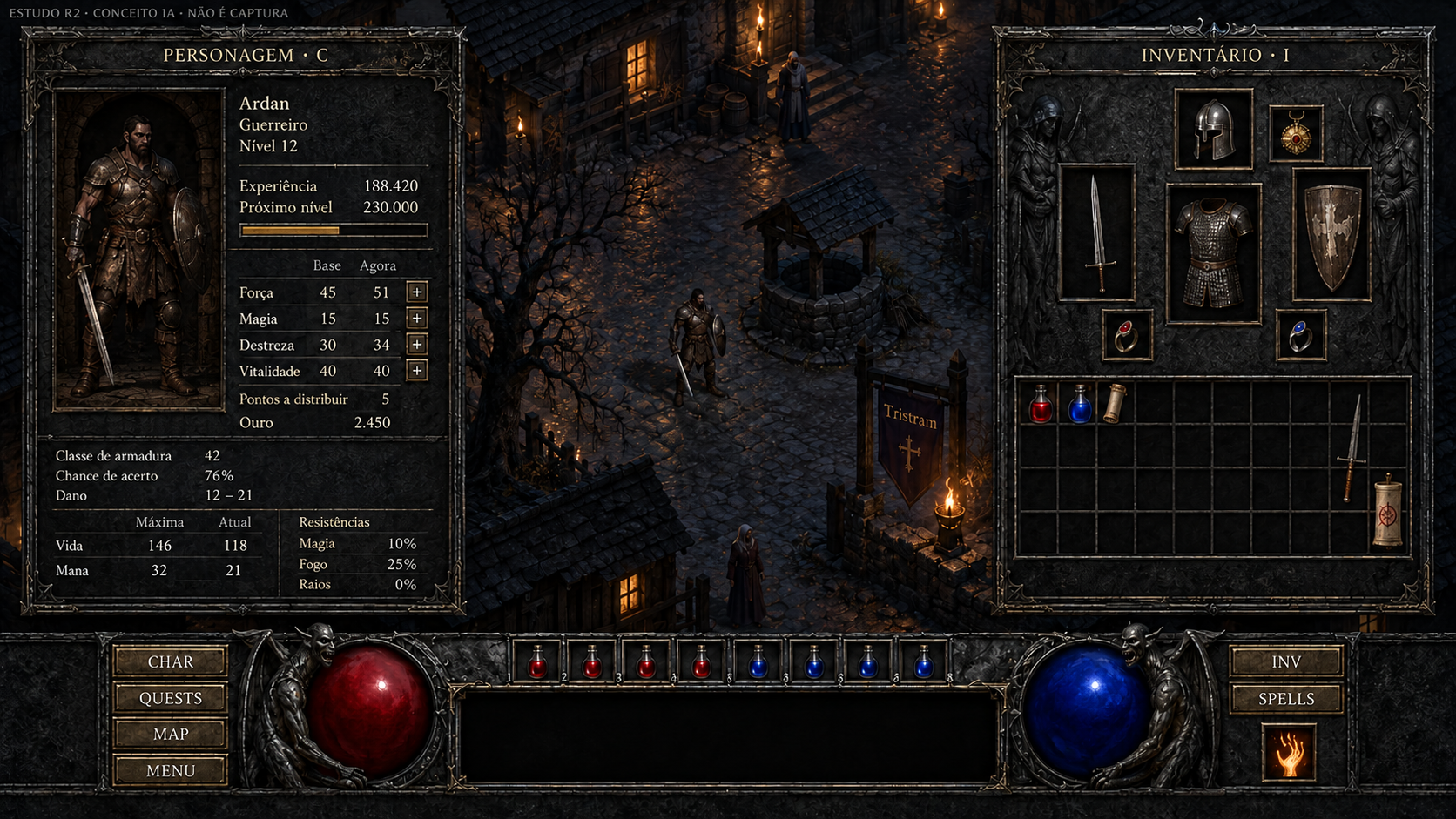
6 min readSixty new concepts, three interface components and editable prototypes to give Diablo 3D's screens visual continuity, with references and limitations identified.
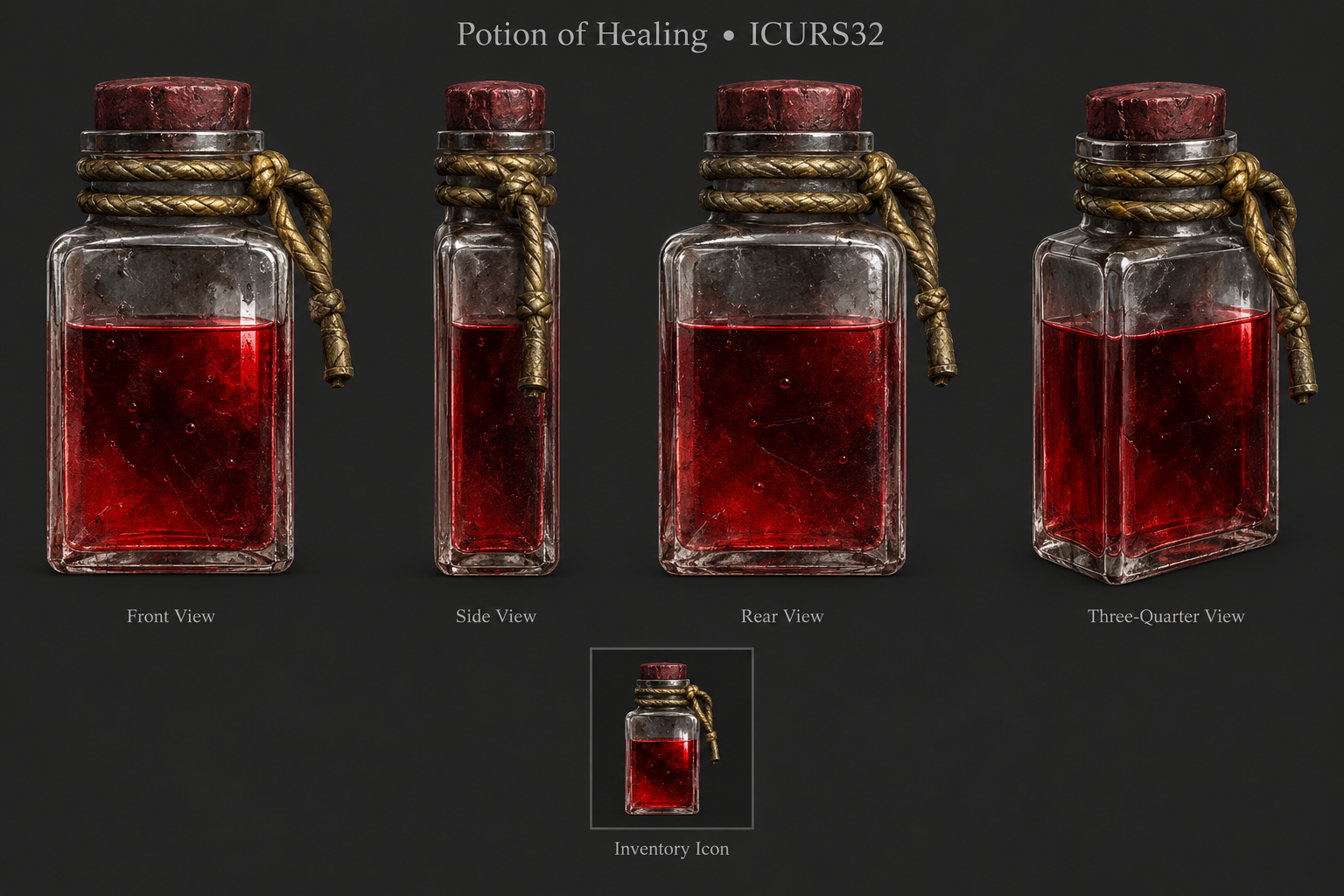
5 min readNine item concepts linked to the catalog and a new HUD with six original pieces: the visual proposals, completed tests and next steps.
11 min readFour cameras, model reviews, GPU fixes and a bilingual community: today's progress and the challenges revealed by the first-person view.
11 min readAn external editor for inspecting architecture, saving the scene and exporting static models to DevilutionX, with validation, a review profile and explicit limits.
5 min readThe GPU reached in-game testing: improved performance reported by the project lead, alongside controlled measurements and the limits of the Direct3D 11 pilot on Windows.
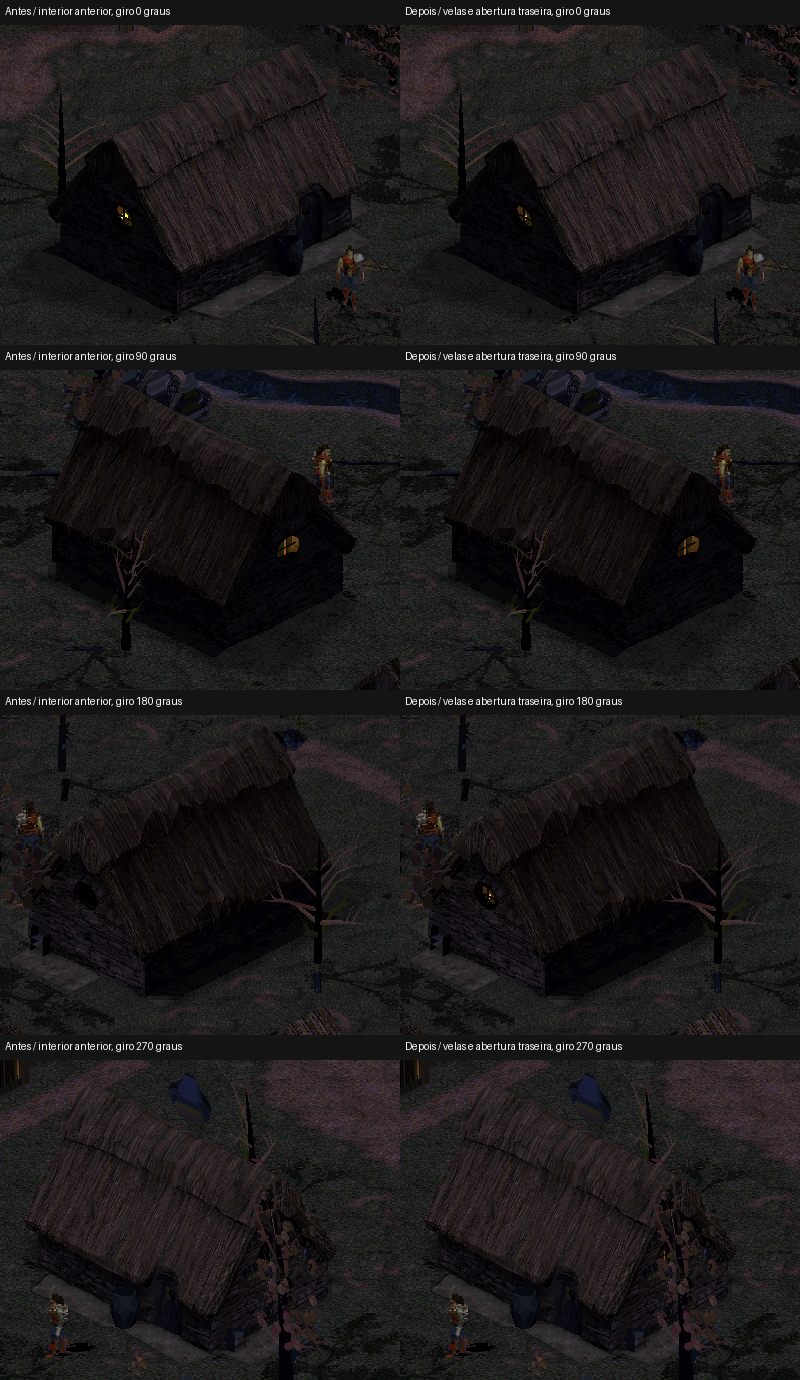
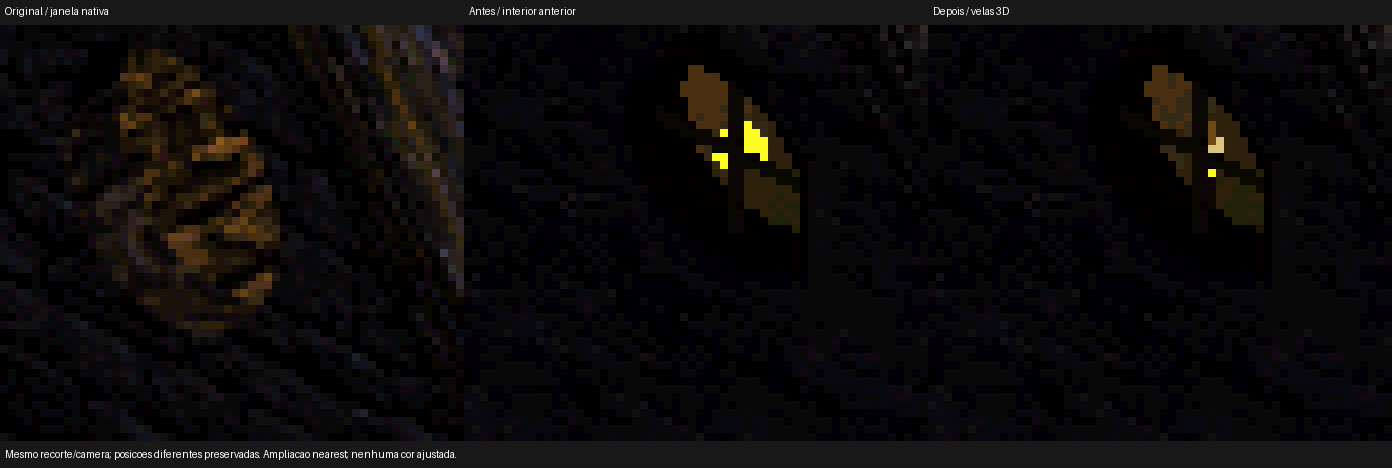
4 min readThe optional hut received two physical candles with subtle flicker and an actual rear opening, preserving the exterior model and its calibration.
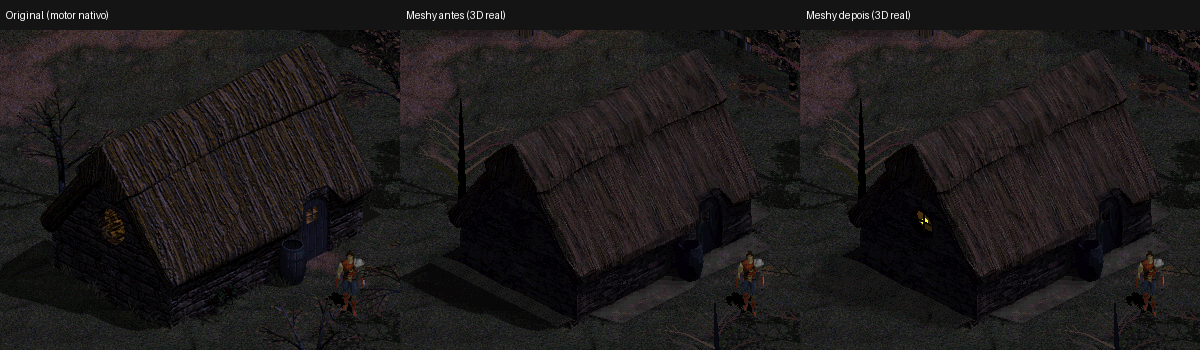
4 min readThe optional Meshy hut profile received a physical interior and yellow light; eight terrain tiles were reviewed to remove painted shadows.
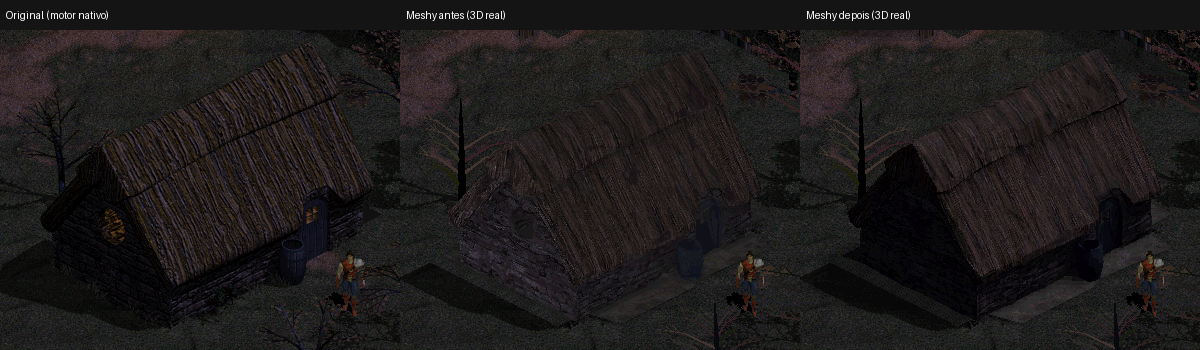
4 min readActual original, before and after comparisons guided the Meshy hut's exterior lighting before conversion to the game's palette.
3 min readThe eastern hut received multi-view generation and optional importing; buildings began casting shadows, with defects and limitations documented.
3 min readThe animation supplied by the author and the Tristram catalog establish the project's identity and organize collaboration around object families.
3 min readThe warrior, townspeople and cows gained volume in v4. Available sources, inferences and test coverage remain explicit.
3 min readV4 grouped buildings, trees and rocks from the native scene and expanded the volume audit, with explicit visual limitations.
3 min readThe v3 stage corrected ground tiles and house boundaries and separated returning to the original backend from actual comparisons of reconstructed meshes.
3 min readThe v2 stage brought together architecture, a 360-degree camera and smooth walking while retaining Tristram's original map and interactions.
3 min readA retrospective on D3D's first local diagnostic run: switching views, rotating the camera and preserving the original Diablo game.
3 min readTry another search or browse all stages.